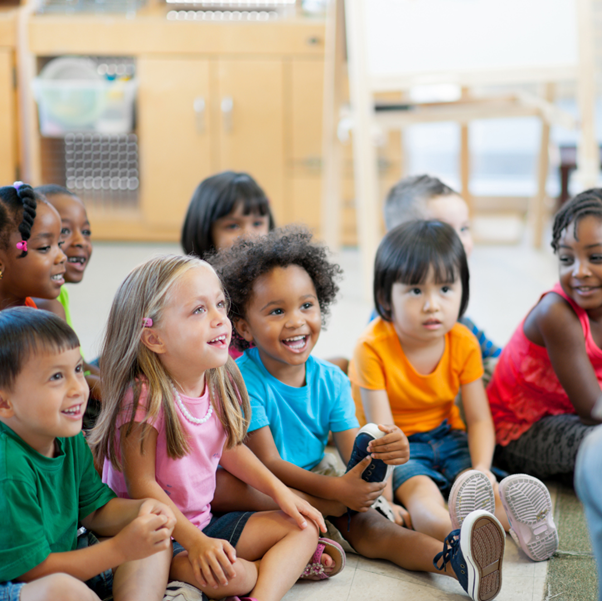

Speech and drama programmes offer students essential skills for life. These activities build confidence through structured performance opportunities and creative expression. Young learners discover their voice whilst developing communication abilities that serve them well beyond the classroom.
The Foundation Years Are Critical For Development
Students experience rapid cognitive and social growth during their primary school years. This period presents the perfect window for introducing speech and drama training. Early exposure to these disciplines shapes how children interact with others and express themselves throughout their lives.
Building Confidence Through Performance
Overcoming Stage Fright Naturally
Regular speech and drama activities help children face their fears in a supportive environment. Students learn that nervousness is normal and manageable through practice and preparation. Each small performance victory builds upon the last, creating a foundation of self-assurance.
Developing Public Speaking Skills Early
Primary school children who participate in speech programmes gain valuable presentation abilities. They learn to organise their thoughts clearly and speak with purpose. These skills prove invaluable during school presentations and future academic pursuits.
Finding Their Voice Through Expression
Speech and drama classes encourage children to explore different characters and emotions safely. Students discover new aspects of their personality through role-playing activities. This exploration helps them understand themselves better whilst building empathy for others.
Creativity Flourishes In Structured Environments
Imagination Meets Discipline
Quality speech and drama programmes balance creative freedom with structured learning objectives. Children learn that creativity works best within certain boundaries and guidelines. This approach teaches them to channel their imagination productively whilst respecting artistic traditions.
Storytelling Skills Develop Naturally
Through drama activities, children become natural storytellers who captivate their audiences. They learn to use voice, gesture, and timing to make stories come alive. These storytelling abilities enhance their writing skills and overall communication effectiveness.
Collaborative Creativity Builds Teamwork
Group drama projects teach children to work together towards common artistic goals. Students learn to share ideas respectfully whilst building on each other’s contributions. This collaborative approach mirrors real-world working environments they will encounter later.
Communication Skills That Last A Lifetime
Articulation And Clarity Improve
Speech training helps children pronounce words clearly and project their voices effectively. Regular practice with tongue twisters and vocal exercises strengthens their speaking abilities. Clear articulation becomes second nature through consistent speech and drama participation.
Body Language Awareness Develops
Drama classes teach children how their posture and gestures communicate messages to others. Students become conscious of non-verbal communication and learn to use it purposefully. This awareness helps them become more effective communicators in all situations.
Listening Skills Strengthen Through Interactive Activities
Speech and drama require active listening as children respond to scene partners. Students learn to pay attention to subtle cues and react appropriately. These enhanced listening abilities benefit their academic performance and social relationships.
Academic Benefits Beyond The Arts
Reading Comprehension Improves Through Character Study
When children analyse characters for drama performances, their reading skills naturally strengthen. They learn to look deeper into texts for motivation and meaning. This analytical approach transfers to all their reading activities across subjects.
Memory And Concentration Skills Sharpen
Learning lines and blocking for performances exercises children’s memory muscles regularly. Students develop techniques for remembering information more effectively. These improved memory skills benefit their performance in mathematics, science, and other academic areas.
Emotional Intelligence Grows Through Role Playing
Drama activities help children understand different perspectives and emotional responses. They learn to recognise feelings in themselves and others more accurately. This emotional awareness contributes to better relationships and social interactions.
Preparing Children For Future Success
Professional Skills Begin Early
Speech and drama training introduces children to skills valued in many career paths. They learn professionalism, time management, and the importance of preparation. These early lessons create habits that serve them well in future educational and professional settings.
Confidence Transfers To Other Areas
Children who excel in speech and drama often show improved performance elsewhere. Their newfound confidence helps them participate more actively in other subjects. This positive cycle creates students who approach challenges with greater self-assurance.
Quality speech and drama programmes provide primary school children with tools for lifelong success. These activities build confidence, creativity, and communication skills in ways that traditional academic subjects cannot match. Investment in speech and drama education pays dividends throughout a child’s educational journey and beyond.