

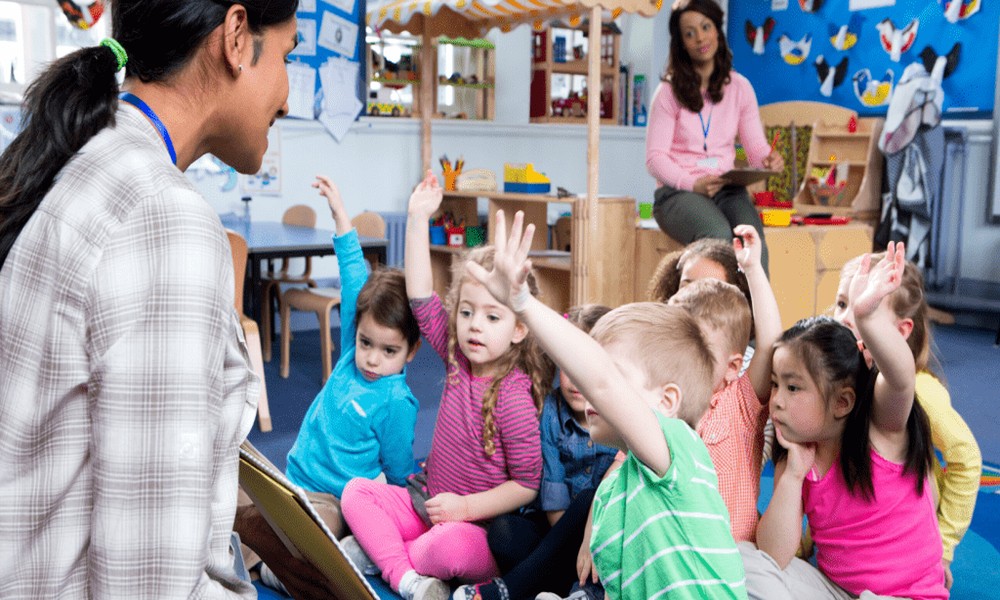
Introducing Spanish for elementary schools is one of the most powerful investments parents and educators can make in a child’s future. During the early developmental years, children absorb language naturally, making elementary school the ideal time to begin learning Spanish. As the Spanish-speaking population continues to grow across the United States and around the world, bilingual skills are becoming more valuable than ever.
Early Spanish education not only supports communication skills but also strengthens academic performance, cultural awareness, and long-term career opportunities, which is why principals are always seeking a Spanish for elementary schools program. When children begin learning Spanish in elementary school, they gain cognitive, social, and professional benefits that extend far beyond the classroom.
Stronger Early Language Development and Academic Success
Elementary school students are uniquely equipped to acquire new languages because their brains are still developing foundational communication skills. Learning Spanish at a young age enhances memory, listening skills, pronunciation accuracy, and overall language comprehension. Children often pick up vocabulary, sentence patterns, and conversational phrases with remarkable ease during these formative years.
Spanish for elementary schools also reinforces English literacy and grammar development. Because Spanish shares linguistic roots with English and other Romance languages, students build a deeper understanding of word structure and meaning. Studies consistently show that bilingual children demonstrate improved problem-solving abilities, stronger concentration, and higher academic readiness compared to monolingual peers. Early exposure to Spanish can therefore support success across all subject areas.
Cultural Awareness and Global Perspective
Incorporating Spanish into elementary education opens the door to rich cultural exploration. Students gain insight into the traditions, celebrations, music, food, and history of Spanish-speaking countries. This exposure nurtures curiosity and helps children develop respect and appreciation for diverse communities both locally and globally.
Spanish language programs in elementary schools often integrate cultural activities, storytelling, art, and interactive learning experiences. These immersive approaches make learning engaging while fostering empathy and global awareness. By understanding different perspectives from an early age, children grow into more culturally competent and open-minded individuals.
Expanded Career Opportunities in the Future
Spanish is one of the most widely spoken languages in the world, making bilingualism a valuable professional asset. Starting Spanish for elementary schools lays the groundwork for fluency that can later translate into expanded career options. In industries such as healthcare, education, marketing, hospitality, international business, and technology, bilingual professionals are in high demand.
As the Spanish-speaking population in the United States continues to increase, employers increasingly seek candidates who can communicate with diverse audiences. Early Spanish education provides children with a competitive advantage that can distinguish them in college applications and future job markets. Developing fluency over many years, beginning in elementary school, leads to stronger proficiency and confidence in professional settings.
Greater Travel and Study Abroad Opportunities
Learning Spanish in elementary school prepares children for meaningful travel experiences later in life. Whether participating in school exchange programs, family vacations, or international study opportunities, bilingual students can navigate Spanish-speaking countries with greater ease and confidence. Communication skills enhance cultural immersion and allow travelers to connect more deeply with local communities.
Understanding Spanish also contributes to personal safety and independence while abroad. When students can comprehend conversations, signs, and instructions, they are better equipped to make informed decisions. Early language education therefore supports not only enriching experiences but also practical life skills that extend into adulthood.
Spanish Is Accessible and Easier to Learn Early
Spanish is considered one of the most accessible languages for English speakers to learn, especially during childhood. Sentence structures share similarities with English, and pronunciation follows consistent phonetic rules, which makes reading and speaking more straightforward for young learners. Elementary school students often develop accurate accents and natural speech patterns more easily than older learners.
Another advantage of Spanish for elementary schools is the abundance of learning resources available across the United States. From bilingual books and educational programs to community events and media content, children have frequent opportunities to practice what they learn. This consistent exposure reinforces retention and builds confidence. Starting Spanish education early creates a strong linguistic foundation that becomes easier to expand as students progress through middle school, high school, and beyond.
Early Spanish instruction is more than just an academic subject; it is a pathway to cognitive growth, cultural understanding, and lifelong opportunity. By integrating Spanish into elementary school education, families and educators empower children with skills that will benefit them for years to come.
