
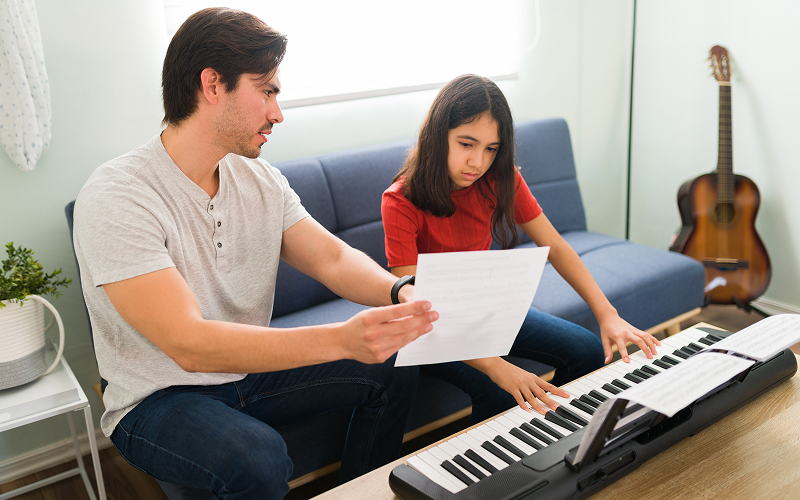
Piano lessons in Singapore continue to hold their ground as a foundational element of music education. While new instruments and musical technologies emerge, the piano’s value has never waned. For many students, it serves as the first introduction to structured music learning. Within music classes in Singapore, the piano remains one of the most popular choices among parents, educators, and learners alike. But why does it maintain this stronghold?
This article explores the enduring relevance of piano lessons and how they continue to support musical development in Singapore’s evolving educational scene.
1. The Piano Offers a Clear Visual Framework for Music Theory
Unlike many other instruments, the piano’s layout makes music theory easier to grasp. Notes are arranged in a logical sequence, and learners can physically see scales, intervals, and chords. This clarity makes piano lessons in Singapore an ideal entry point for those new to music. It is common for instructors in music classes in Singapore to use the piano when introducing musical concepts, even if the student intends to learn another instrument later on.
2. It Builds a Strong Foundation for Musical Literacy
Piano training helps develop sight-reading, ear training, and rhythm recognition in tandem. This balanced development supports broader musicianship. Whether students go on to pursue violin, voice, or composition, their time with the piano provides critical grounding. Many music classes in Singapore use piano as the base for music exams and certifications because of its ability to train multiple skills simultaneously.
3. Piano Lessons Encourage Discipline and Independent Learning
Learning the piano involves developing hand coordination, patience, and consistent practice habits. Over time, students learn to navigate pieces on their own, building independence. Instructors often report that students who begin with piano lessons in Singapore carry strong study habits into other academic areas. It’s a structured journey—scales, etudes, and repertoire—that reinforces perseverance and goal-setting, which many parents value.
4. The Instrument Suits Learners of All Ages
Unlike instruments that require a certain hand size or lung capacity, the piano is accessible from a young age. Adjustable stools and keyboards make early learning safe and comfortable. It is equally suitable for adult learners, with many music classes in Singapore offering beginner programmes for working professionals. Because there are no barriers in terms of age or physical demand, the piano appeals to a broad demographic.
5. It Is Ideal for Both Solo and Ensemble Learning
Students taking piano lessons in Singapore often find themselves performing solos during recitals, competitions, and exams. However, the piano also functions well in group settings, serving as accompaniment for choirs, duets, and bands. This dual role makes it valuable in music classes in Singapore, where collaborative music-making is encouraged. Students can easily switch between solo repertoire and group rehearsal.
6. Piano Supports Modern and Classical Music Interests
A common misconception is that piano training only prepares students for classical music. In reality, piano techniques apply across genres—from jazz and pop to film scores and electronic music. Many piano lessons in Singapore incorporate a blend of contemporary and traditional approaches, encouraging students to explore their personal tastes. This genre fluidity keeps piano learning relevant across generations.
7. It Integrates Seamlessly with Digital Tools
Modern piano learning often includes apps, MIDI keyboards, and digital sheet music. Students are no longer limited to physical textbooks or acoustic instruments. Instructors now use technology to record progress, provide interactive lessons, and track tempo or pitch in real time. Many music classes in Singapore have embraced this hybrid learning model, combining the precision of traditional instruction with the adaptability of digital platforms.
8. The Piano Offers a Long-Term Return on Investment
Parents and students often consider the longevity of an instrument before committing. A well-maintained piano can last decades and be used for solo playing, family entertainment, or formal training. Unlike smaller instruments that might need upgrading as a child grows, a standard piano remains consistent. This makes it a practical choice for households planning to support long-term musical development.
9. It Prepares Students for Global Certification and Performance Opportunities
Whether through ABRSM, Trinity, or other global syllabi, the piano offers a structured pathway to musical accreditation. Singaporean students taking piano lessons in Singapore often sit for international exams or perform in regional competitions. This access to global benchmarks and performance platforms adds tangible value to local music education.
Conclusion
The popularity of piano lessons isn’t just rooted in tradition. Their continued presence in music classes in Singapore reflects how adaptable, effective, and enriching the instrument remains. It is an educational tool, a creative outlet, and a bridge to wider musical experiences. For families looking to begin or deepen their musical journey, the piano continues to be a natural place to start.
Contact Sonare Music School to find out how piano lessons can support your or your child’s musical growth.