

Key Highlights
- Immersive environments help children develop natural fluency and confidence in Mandarin.
- Structured language programmes use play, songs, and stories to make learning enjoyable.
- Early exposure to a second language enhances cognitive development and brain plasticity.
- A Chinese preschool integrates cultural appreciation alongside language acquisition.
Introduction
In an increasingly globalised world, the ability to speak more than one language is a significant advantage. For many parents in Singapore, ensuring their children are proficient in Mandarin is a top priority, both for cultural heritage and future academic success. Introducing Chinese for preschoolers at an early age takes advantage of a critical window in a child’s development when their brains are most receptive to new sounds and grammar structures. A dedicated Chinese preschool provides the ideal environment for this, offering more than just a few hours of language classes a week. By surrounding children with the language in a natural, daily context, these institutions help build a strong foundation of bilingualism that will serve them for a lifetime. When learning is integrated into play, social interaction, and daily routines, children develop a genuine love for the language rather than seeing it as a difficult subject to study.
1. Maximising the Window of Brain Plasticity
The early years of a child’s life are a period of remarkable brain growth and plasticity. Research shows that children who are exposed to multiple languages before the age of five are more likely to achieve native-level fluency. By introducing Chinese for preschoolers during this period, you are allowing them to map the sounds and tones of Mandarin naturally, similar to how they learn their first language. A structured Chinese preschool leverages this by providing constant exposure to the language throughout the day. This immersion ensures that children are not just translating words in their heads but are actually thinking and communicating in Mandarin. This early bilingualism has also been linked to improved cognitive abilities, such as better problem-solving skills, enhanced memory, and a greater capacity for creative thinking.
2. Language Learning Through Play and Exploration
For a young child, learning should never feel like a chore. The best Chinese preschool environments understand this and design their curriculum around the concept of purposeful play. Instead of traditional rote learning or repetitive drills, children learn Chinese for preschoolers through activities they already love. This includes singing Mandarin songs, listening to traditional folktales, and participating in art projects that involve Chinese characters. By associating the language with fun and positive experiences, children develop a can-do attitude toward learning. Teachers in these settings are skilled at using gestures, visual aids, and interactive games to convey meaning, allowing even children from non-Mandarin speaking homes to follow along and participate with confidence. This method fosters a natural curiosity and a willingness to experiment with new words.
3. Building Social and Communication Confidence
Communication is a social act, and a Chinese preschool provides a safe and supportive community where children can practice their language skills with their peers. In a bilingual or immersive setting, children learn to navigate social interactions in both English and Mandarin. They learn how to ask for a toy, share a snack, or express their feelings using Chinese for preschoolers. This constant social practice is essential for building the confidence needed to use the language outside the classroom. Teachers provide gentle guidance and encouragement, helping children expand their vocabulary and improve their pronunciation in real-time. Over time, the hesitation to speak in a second language disappears, replaced by a natural ability to switch between languages depending on the situation and the person they are talking to.
4. Integrating Cultural Appreciation
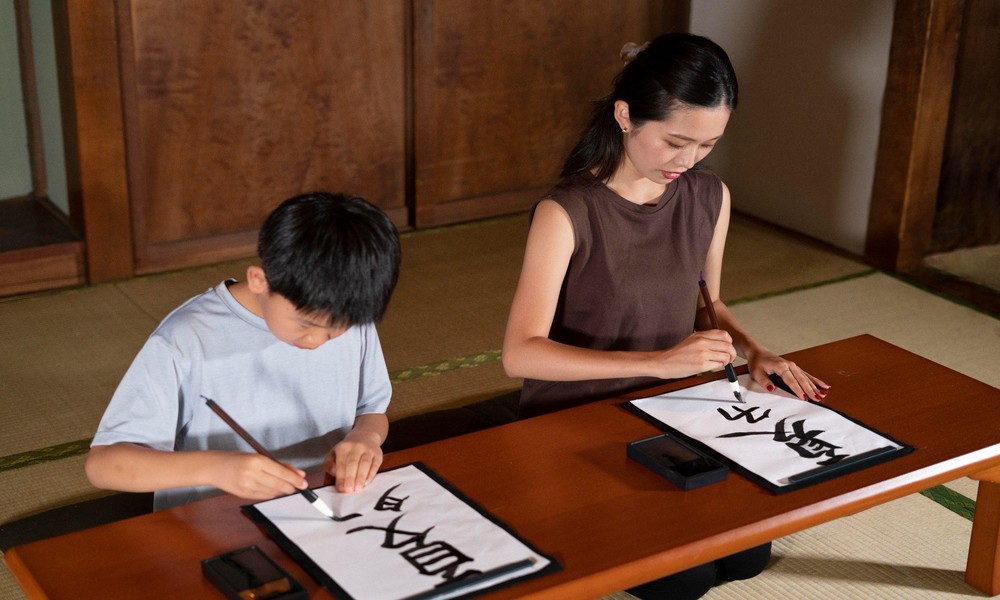
Language and culture are deeply intertwined, and a quality Chinese preschool goes beyond vocabulary to introduce children to the richness of Chinese heritage. Learning Chinese for preschoolers is often accompanied by the celebration of traditional festivals like the Lunar New Year or the Mid-Autumn Festival. Children might learn about traditional crafts, taste traditional foods, or practice basic calligraphy. This cultural integration provides a context for the language, making it more meaningful and interesting. It also fosters a sense of global citizenship and an appreciation for diversity. When children understand the traditions and values behind the words they are speaking, they develop a deeper connection to the language and a more holistic understanding of the world around them.
Conclusion
The journey to bilingualism is one of the greatest gifts a parent can give a child, and starting that journey early is the key to success. By choosing a structured environment that focuses on Chinese for preschoolers, parents ensure that their children receive the immersion and support needed to become truly fluent. A Chinese preschool offers a unique blend of academic rigour and creative play, making language acquisition a joyful and natural part of childhood. As children grow, the skills and confidence they gain in their early years will provide a solid foundation for their future education and personal development. Investing in early language exposure is not just about academic results; it is about opening doors to new cultures, new perspectives, and a world of opportunities.
Contact Orange Tree Preschool today to schedule a tour and see our classes in action.
