

Key Takeaways
- Professional training ensures that CCTV operators can effectively identify and respond to suspicious behaviour in real-time.
- Understanding the technical limitations and capabilities of different camera types prevents common operational errors.
- Courses subsidised by WSG make high-level technical training accessible and affordable for local professionals.
- Proper training covers the legal and ethical boundaries of surveillance, reducing the risk of privacy violations.
Introduction
We see them everywhere, perched on the corners of buildings, tucked into the ceilings of lifts, and watching over our public parks. Closed-Circuit Television (CCTV) has become a ubiquitous part of the urban landscape. However, there is a massive difference between simply having a camera and actually using it as an effective security tool. For security professionals, CCTV system training in Singapore is no longer a “nice to have” luxury; it is a fundamental requirement. You know what? A camera is only as good as the person behind the monitor. Without the right skills, a sophisticated surveillance network is just an expensive way to watch a crime happen after the fact. It takes a trained eye to spot the subtle signs of trouble before an incident escalates. Honestly, the shift from passive recording to active surveillance is what defines a true professional in this field.
Maximising the Potential of Modern Technology
The cameras used today are leagues ahead of the grainy, black-and-white tapes of the past. We now have 4K resolution, thermal imaging, and even AI-driven facial recognition. However, these features are useless if the operator doesn’t know how to navigate the software. A dedicated CCTV course teaches professionals how to use video management systems (VMS) to their full potential. This includes setting up “tripwires”-digital lines on the screen that trigger an alarm when crossed-or using advanced zoom features to capture a license plate from a distance. If you don’t know these tools exist, you are essentially fighting with one hand tied behind your back.
Furthermore, technical training helps professionals understand environmental factors. For example, how does rain affect visibility? What happens to the image quality when the sun goes down? Professionals learn how to adjust settings like “Wide Dynamic Range” to see clearly in high-contrast lighting. It’s these small technical adjustments that make the difference between a clear piece of evidence and a blurry mess. Have you ever wondered why some security footage is so much better than others? It is rarely just the camera; it is almost always the skill of the person who set it up and monitored it. Training bridges the gap between hardware and high performance.
Enhancing Incident Detection and Response
The primary role of a security professional is to prevent incidents, not just record them. This is where the “human” element of CCTV system training comes into play. Professionals are taught how to read body language and identify “pre-incident indicators.” This might be someone loitering in a restricted area, or a group moving in a way that suggests they are testing security protocols. By spotting these signs early, a trained professional can dispatch a ground team to investigate before a crime is even committed. It is a proactive approach that saves time, money, and potentially lives.
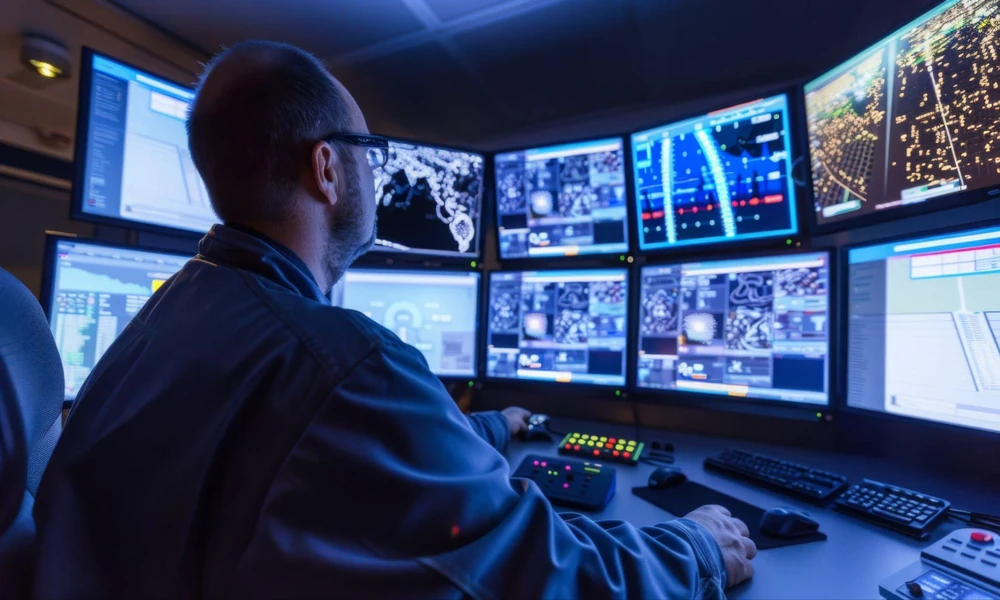
During the training, students often engage in simulations where they have to track multiple targets across different camera feeds. This builds the “mental stamina” required for long shifts in a control room. It is much harder than it looks! Maintaining focus while watching sixteen different screens is a skill that must be practised. A CCTV course in Singapore with WSG provides the structured environment needed to hone this concentration. When a real emergency happens, you don’t want to be fumbling with the controls; you want your reaction to be automatic and efficient. That level of calm under pressure only comes from quality instruction and repetitive practice.
Legal Compliance and Data Management
In a city-state like Singapore, privacy and data protection are taken very seriously. Security professionals handle sensitive information every day, and a single mistake can lead to heavy fines or legal action. Training ensures that everyone is on the right side of the law. For instance, do you know how long you are legally allowed to keep footage? Or who has the right to request a copy of a recording? These are the kinds of questions that a professional course answers in detail. Understanding the Personal Data Protection Act (PDPA) is a core part of the curriculum, ensuring that surveillance is used responsibly.
Data management is another critical aspect. Modern systems generate a massive amount of data, and knowing how to store, back up, and retrieve that data is essential. If a police officer comes asking for footage from a specific date and time, a trained professional can find and export it in minutes. An untrained one might accidentally delete the file or spend hours searching through folders. This efficiency is vital in the fast-paced world of law enforcement and corporate security. It’s about being a reliable link in the chain of safety, ensuring that the evidence is handled with the utmost integrity from start to finish.
The Value of WSG-Supported Training
One of the best things about the current landscape in Singapore is the support for lifelong learning. A CCTV course in Singapore with WSG (Workforce Singapore) makes high-quality education accessible to a wider range of people. These subsidies significantly lower the cost barrier, allowing both individuals and security firms to invest in better skills without breaking the bank. It shows a national commitment to keeping our security workforce at the top of its game. When professionals are better trained, the entire community becomes safer. It is a ripple effect that benefits everyone from the shop owner to the resident in an HDB block.
Moreover, having a WSG-recognised certification on your CV is a massive boost for career progression. Employers value candidates who have taken the initiative to get formally trained. It proves that you are serious about the profession and that you possess a verified set of skills. In an industry that is becoming increasingly tech-heavy, staying updated with the latest CCTV system training in Singapore is the only way to remain competitive. It’s an investment in yourself that pays off in the form of better job opportunities and higher salaries. After all, who wouldn’t want to hire the most skilled person for the job?
Conclusion
CCTV is a powerful tool, but its effectiveness is entirely dependent on the skill of the operator. From mastering high-tech software to understanding the nuances of the law, professional training is what turns a simple monitor into a shield for the community. By taking a CCTV course, security professionals gain the competence and confidence needed to excel in their roles. It is about moving beyond “just watching” to truly protecting. In an ever-changing security landscape, being well-trained is your best asset. If you are ready to elevate your career and master the art of surveillance, please contact us at Apollo Global Academy.
